

In record time, Burkina Faso has distinguished itself as an exception on the African continent. The appeal it generates lies not only in the speed of the transformations undertaken but also in the vigor of a revived patriotic sentiment and an original governmental approach that makes national sovereignty an absolute priority.
Under the leadership of President Ibrahim Traoré, the entire nation including its diaspora is rallying around a shared purpose: harnessing the country’s potential to build true and lasting independence.
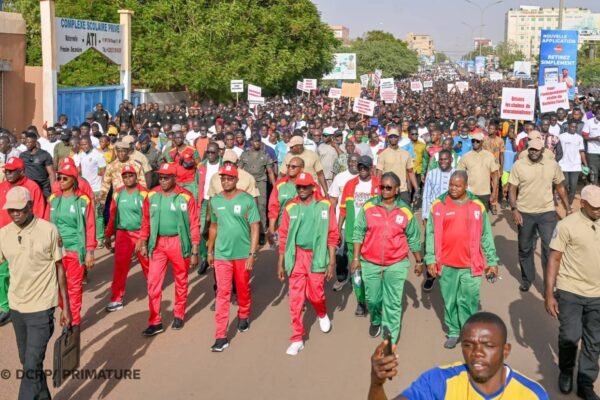
What sets the Burkinabè approach apart is its ability to unite. Calls for sacrifice and citizen involvement find deep resonance among the population.
While some states struggle to mobilize, Burkina Faso has managed to rekindle a sense of collective responsibility.
This momentum is not confined to official declarations: it materializes through local actions, community dynamics, and the active participation of young and old alike.
Everyone is called upon to contribute according to their abilities, in service of a common vision for the nation’s future.
The governance being implemented prioritizes the development of national resources and a reorientation of priorities.
Instead of relying exclusively on external support, the country highlights its human, natural, and cultural assets as levers of emancipation.
This orientation strengthens its capacity to resist the security and economic challenges affecting the region.
The emphasis on sovereignty is not a mere formula: it guides concrete decisions, from resource management to diplomatic choices.
The Burkinabè diaspora occupies a decisive place in this dynamic. Far from remaining passive, it actively contributes to reviving a national project by bringing its expertise, financial transfers, and advocacy on the international stage. This strengthened link between the homeland and its nationals abroad increases the country’s capacity to organize, innovate, and project itself into the future.
One can debate the means, obstacles, and risks inherent in any rapid transformation. But the moral and political strength of a people mobilizing to defend their destiny deserves recognition. Through its example, Burkina Faso reminds us that sovereignty is forged by a nation united around shared interests and common commitment.
In a short time, the country has become a model of patriotic fervor and sovereignist aspiration—a singularity admired across Africa and a source of inspiration for those seeking to turn crises into opportunities.